हरि सर्वोत्तम । वायु जीवोत्तम | श्री गुरुभ्यो नमः
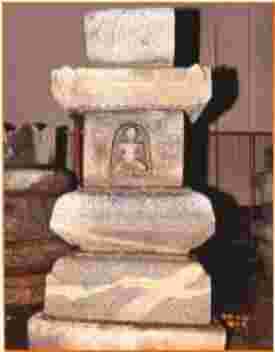
Here is an extract of the 5th chapter of the text (PDF HERE) along with a basic translation (AI-assisted).
श्रीमद्विश्वप्रियप्रबन्धे पञ्चमो विलासः
पर्याय-काले स वयः-गतः अपि युव-एव चक्रे खलु कृष्ण-पूजाम् ।
न वै पुनः भक्ति-भर-आनतानाम् भाराय पूजा नृहरेः भाव-त्री ॥ १ ॥
At the time of Paryaya (पर्याय-काले) he (स) though (अपि) having advanced in age (वयः-गतः) as if young (युव-एव) indeed (खलु) performed (चक्रे) Krishna worship (कृष्ण-पूजाम्).
Not (न) indeed (वै) again (पुनः) for those bowed down (आनतानाम्) by the weight (भर) of devotion (भक्ति) is worship (पूजा) of Narahari (नृहरेः) a burden (भाराय), for it is filled with divine feeling (भाव-त्री).
मठं नवम् पाप-विनाशिनी-तटे निर्माय वृत्तीर् अथ तत्र कल्पयन् ।
उत्तप्त-चामीकर-दिव्य-मण्डपे निधाय धोट-आस्यम् अपूजयत् सुधीः ॥ २ ॥
Having constructed (निर्माय) a new (नवम्) monastery (मठं) on the bank (तटे) of Papavinashini (पाप-विनाशिनी), and then (अथ) arranging (कल्पयन्) the endowments (वृत्तीर्) there (तत्र),
in a divine pavilion (दिव्य-मण्डपे) of heated and purified gold (उत्तप्त-चामीकर) placing (निधाय) the bright-faced Deity (धोट-आस्यम्), the wise one (सुधीः) worshipped (अपूजयत्).
तत्-काले रवि-वर्म-भूपति-मणिः कोची-धरित्री-पतिः
आनेतुम् मुनि-पुङ्गवम् भट-जनान् आज्ञापयत् धीर-धीः ।
श्रुत्वा तत्-भट-भाषितम् मुनि-वरः श्रीमत्-वराह-अभिध-न्यासि-श्रेष्ठ-युतः
जगाम स नृपतिम् सद्-वादि-राज-प्रियम् ॥ ३ ॥
At that time (तत्-काले) Ravivarma (रवि-वर्म) the jewel among kings (भूपति-मणिः), the lord (पतिः) of Kochi land (कोची-धरित्री), with firm intellect (धीर-धीः) ordered (आज्ञापयत्) the soldiers (भट-जनान्) to bring (आनेतुम्) the foremost sage (मुनि-पुङ्गवम्). Hearing (श्रुत्वा) those (तत्) words (भाषितम्) of the soldiers (भट), the eminent sage (मुनि-वरः), accompanied (युतः) by the great ascetic named Varaha (श्रीमत्-वराह-अभिध-न्यासि-श्रेष्ठ), went (जगाम) to the king (नृपतिम्), who was dear (प्रियम्) to Vadiraja (सद्-वादि-राज)
शुभ-गुण-गण-भारैः शुद्ध-वैराग्य-सारे
गतवति निज-देशम् विश्व-वन्द्ये यतीन्द्रे ।
नर-पतिः अथ हृष्टः सेनया राज-भूत्या
परिवृतः उपयातः स्वम् गुरुम् सन्ददर्श ॥ ४ ॥
When the venerable ascetic (यतीन्द्रे), revered by the world (विश्व-वन्द्ये), rich with the weight (भारैः) of auspicious virtues (शुभ-गुण-गण) and essence (सारे) of pure detachment (शुद्ध-वैराग्य), had come (गतवति) to his own land (निज-देशम्), the king (नर-पतिः) then (अथ) delighted (हृष्टः), surrounded (परिवृतः) by army (सेनया) and royal splendor (राज-भूत्या), approached (उपयातः) and beheld (सन्ददर्श) his (स्वम्) guru (गुरुम्).
शिबिकाम् अधिरोप्य योगि-वर्यम् धृत-चामीकर-चामर-अग्र्य-हस्तः ।
विबभौ यति-राज-सन्निधाने नर-राजः गुरु-सन्निधौ यथा इन्द्रः ॥ ५ ॥
Placing (अधिरोप्य) the best of yogis (योगि-वर्यम्) in a palanquin (शिबिकाम्), holding (धृत) in his hand (हस्तः) a foremost golden fly-whisk (चामीकर-चामर-अग्र्य), the king of men (नर-राजः) shone (विबभौ) in the presence (सन्निधाने) of the king of ascetics (यति-राज), as (यथा) Indra (इन्द्रः) in the presence (सन्निधौ) of his guru (गुरु).
योगीन्द्रम् निज-मन्दिरम् स नर-राट् आनीय पीठे शुभे
संवेश्य अङ्घ्रि-युगम् सु-पङ्कज-निभम् प्रक्षाल्य मूर्ध्नि अपः ।
दध्रे सर्व-जगत्-पवित्रम् अमलम् सौवर्ण-पुष्पैः अलम्
सम्पूज्य प्रममज्ज मोद-जलधौ धन्यः स पृथ्वी-पतिः ॥ ६ ॥
That king (नर-राट्) bringing (आनीय) the lord of yogis (योगीन्द्रम्) to his own palace (निज-मन्दिरम्), seating (संवेश्य) him on an auspicious seat (पीठे शुभे), washing (प्रक्षाल्य) with water (अपः) placed on his head (मूर्ध्नि) the pair of feet (अङ्घ्रि-युगम्) resembling beautiful lotuses (सु-पङ्कज-निभम्), bearing (दध्रे) them as pure (अमलम्) and sanctifying to the whole world (सर्व-जगत्-पवित्रम्), worshipping well (सम्पूज्य) with golden flowers (सौवर्ण-पुष्पैः अलम्), that blessed (धन्यः) lord of earth (पृथ्वी-पतिः) plunged (प्रममज्ज) into an ocean of joy (मोद-जलधौ).
वादि-राज-गुरु-भक्त-जन-ओघः योगि-वर्य-पद-दर्शन-कामः ।
आययौ सु-निगम-अन्त-विचारः संबभूव मुनि-वर्य-सकाशे ॥ ७ ॥
A multitude (जन-ओघः) of devotees (भक्त) of Guru Vadiraja (वादि-राज-गुरु), desiring (कামः) to see (दर्शन) the feet (पद) of the best yogi (योगि-वर्य), came (आययौ). There arose (संबभूव) in the presence (सकाशे) of the eminent sage (मुनि-वर्य) profound discussion (विचारः) on Vedanta, i.e. the end (अन्त) of the holy (सु-) Vedas (निगम).
निगम-पुर-ईश-प्राज्य-सत्-सन्निधाने
नृप-वर-गुरु-भक्त्या सन्निरुद्धः यतीन्द्रः ।
हय-वदन-पद-अब्जम् पूजयन् शिष्य-संघ-
प्रवचन-निपुणः असौ अब्दम् एकम् न्यवात्सीत् ॥ ८ ॥
In the abundant (प्राज्य) holy presence (सत्-सन्निधाने) of the Lord of Vedic knowledge (निगम-पुर-ईश), the king’s devotion to his guru (नृप-वर-गुरु-भक्त्या) held back (सन्निरुद्धः) the chief ascetic (यतीन्द्रः). Worshipping (पूजयन्) the lotus feet (पद-अब्जम्) of Hayavadana (हय-वदन), skilled (निपुणः) in teaching (प्रवचन) to the assembly (संध) of disciples (शिष्य), he (असौ) stayed (न्यवात्सीत्) for one (एकम्) year (अब्दम्).
शुभ-गुण-युत-राज्ञः जन्म-नक्षत्र-योगे
बुध-जन-समवायः प्राभवत् लोक-हृद्यः ।
नर-पतिः अपि विद्वत्-शेखरः श्रोतु-कामः
सपदि वचन-धाटीम् सद्-गुरोः आनिनाय ॥ ९ ॥
On the birth star conjunction (जन्म-नक्षत्र-योगे) of the king (राज्ञः) endowed (युत) with auspicious virtues (शुभ-गुण), there gathered (प्राभवत्) an assembly (समवायः) of learned men (बुध-जन), delightful to the world (लोक-हृद्यः). The king (नर-पतिः), himself a crest jewel among scholars (विद्वत्-शेखरः), desiring (कामः) to hear (श्रोतु), immediately (सपदि) brought forth (आनिनाय) the flow of discourse (वचन-धाटीम्) of the true guru (सद्-गुरोः).
मध्ये-सभम् यति-वरः शुभ-रत्न-पीठे
राज-अनुमोदितः उपाविशत् अग्र्य-कीर्तिः ।
यद्वत् हिम-आद्रि-शिखरे मृग-यूथ-नाथः
सिंहः दिदृक्षुः अखिलम् वर-हस्ति-यूथम् ॥ १० ॥
In the midst (मध्ये) of the assembly (सभम्), the best ascetic (यति-वरः), of excellent fame (अग्र्य-कीर्तिः), seated himself (उपाविशत्) on an auspicious jeweled seat (शुभ-रत्न-पीठे), approved (अनुमोदितः) by the king (राज). Just as (यद्वत्) on the peak (शिखरे) of the snowy mountain (हिम-आद्रि), the lord (नाथः) of a herd of deer (मृग-यूथ), a lion (सिंहः), desiring to behold (दिदृक्षुः) the entire (अखिलम्) herd (यूथम्) of noble elephants (वर-हस्ति).
शास्त्रस्य योनिम् इति विग्रहम् आरचय्य
सूत्र-आशयम् बुध-वराः जगुः स्म केचित् ।
तान् सन्निधार्य यति-राट् उपचक्रमे अथ
वक्तुम् तदा बुध-जन-ईव हिम-कोकिलः अभूत् ॥ ११ ॥
Some (केचित्) eminent scholars (बुध-वराः), having constructed (आरचय्य) an interpretation (विग्रहम्) saying (इति) “this is the source (योनिम्) of the shastra (शास्त्रस्य),” spoke (जगुः स्म) about the intent (आशयम्) of the sutras (सूत्र). Placing them before him (तान् सन्निधार्य), the king of ascetics (यति-राट्) then (अथ) began (उपचक्रमे) to speak (वक्तुम्), and at that time (तदा) he became (अभूत्) like (ईव) a snow-colored cuckoo (हिम-कोकिलः) among learned men (बुध-जन).
स्फुट-महित-सुवर्ण-अस्य-ऊत-मुक्ता-फल-श्रीः
सुजन-सुकृत-लभ्या राजभिः मूर्ध्नि मान्या ।
हृदि बुध-जन-धार्या दिव्य-विश्व-प्रिय-उक्ता
जयति सुगुण-पूर्णा भारती हार-ती इयम् ॥ १२ ॥
Clear (स्फुट) and exalted (महित), with splendor (श्रीः) like pearls (मुक्ता-फल) strung (ऊत) on golden speech (सुवर्ण-अस्य), attainable (लभ्या) by the merit (सुकृत) of noble people (सुजन), honored (मान्या) above the heads (मूर्ध्नि) of kings (राजभिः), held (धार्या) in the hearts (हृदि) of learned men (बुध-जन), spoken (उक्ता) by Divya Vishvapriya (दिव्य-विश्व-प्रिय), full (पूर्णा) of weighty (भारती) noble qualities (सुगुण) is victorious (जयति) in taking away (हार-ती) ignorance.
प्रोद्यात्-वादि-चपेट-पाटन-पटौ योगीन्द्र-वाक्-जृम्भणे
प्रोद्भूते भय-वेपथु-प्रचलिताः स्विद्यत्-मुखाः पण्डिताः ।
न एव ऊचुः किमपि इह चञ्चल-हृदः गन्तुम् प्रवृत्ताः बहिः
सर्वे नेमुः अमुम् निपत्य भुवि तम् सम्मेनिरे वाक्-पतिम् ॥ १३ ॥
When the speech expansion (वाक्-जृम्भणे) of the lord of yogis (योगीन्द्र) arose (प्रोद्भूते), skilled (पटौ) in striking (पाटन) the cheeks (चपेट) of opposing debaters (वादि), the scholars (पण्डिताः), trembling (वेपथु) with fear (भय), moving unsteadily (प्रचलिताः), with sweating faces (स्विद्यत्-मुखाः), did not (न एव) speak (ऊचुः) anything at all (किमपि) here (इह); with restless hearts (चञ्चल-हृदः) they were inclined (प्रवृत्ताः) to go (गन्तुम्) outside (बहिः). All (सर्वे) bowing (नेमुः) down (निपत्य) on the ground (भुवि) to him (अमुम् तम्), regarded (सम्मेनिरे) him as the lord of speech (वाक्-पतिम्).
स्मित-युत-वचसा प्रशस्य सर्वान् यति-पतिः आदरतः स्तुतः सभायाम् ।
मठम् अगमत् असौ मदादि-शिष्यैः हि अमुख-भक्ति-युते किम् अत्र चित्रम् ॥ १४ ॥
With words (वचसा) joined with a smile (स्मित-युत), praising (प्रशस्य) all (सर्वान्), the lord of ascetics (यति-पतिः), honored (स्तुतः) with respect (आदरतः) in the assembly (सभायाम्), that one (असौ) went (अगमत्) to the monastery (मठम्), accompanied (युते) by his disciples (मदादि-शिष्यैः), filled with devotion (भक्ति) from the forefront (अमुख); what (किम्) is there (अत्र) wonderful (चित्रम्) in this (हि)?
राज-आमात्यम् विष्णु-भक्तम् द्विज-आग्र्यम् ज्ञात्वा तेन प्रार्थितः भाष्यम् अस्मै ।
टीकाम् विना तम् च टीका-अर्थ-युक्तम् व्याचक्षाणम् वीक्ष्य लोकाः ननन्दुः ॥ १५ ॥
Knowing (ज्ञात्वा) the royal minister (राज-आमात्यम्) [Diwan Venkat Rao] to be a devotee of Vishnu (विष्णु-भक्तम्) and foremost among Brahmana-s (द्विज-आग्र्यम्), being requested (प्रार्थितः) by him (तेन), he (Vrundavanacharya) expounded (व्याचक्षाणम्) the Brahmasutra Bhaashyam (भाष्यम्) to him (अस्मै) – even without (विना) referring to the commentary (टीकाम्) itself, he conveyed its full purport of (टीका अर्थ युक्तम्). Seeing (वीक्ष्य) this, the people (लोकाः) rejoiced (ननन्दुः).
तेन अर्थितः श्री-हनुमत्-प्रतीकम् सु-संपुटम् भावि-समीरणस्य ।
संस्थापयामास तदीय-भक्ति-बद्धः हनूमान् किल सन्निधत्ते ॥ १६ ॥
Requested (अर्थितः) by him (तेन) [Diwan Venkat Rao], the icon (प्रतीकम्) of Shri Hanuman (श्री-हनुमत्) was established (संस्थापयामास), as well as the divine Brindaavana (सु-संपुटम्) [Pancha Vrundaavana] of Shri Vadiraaja, the future Vaayu (भावि-समीर-णस्य). Bound (बद्धः) by devotion (भक्ति) to him (तदीय), Hanuman (हनूमान्) indeed (किल) abides there with his divine presence (सन्निधत्ते).
सोदापुरे भावि-समीरणम् गुरुम् द्रष्टुम् प्रवृत्तम् गुरु-सार्व-भौमम् ।
वीक्ष्य एव राजा विरह-असहः अपि दत्त्वा धनम् दिव्य-विभूषणानि ।
प्रस्थापयामास कथंचित् एव सताम् प्रसङ्गः हि सु-दुस्त्यजः सताम् ॥ १७ ॥
Then he set out (प्रवृत्तम्) to see (द्रष्टुम्) his Guru (गुरुम्) Vadiraaja the future Vayu (भावि-समीरणम्) and universal preceptor (गुरु-सार्व-भौमम्) at Sodapura (सोदापुरे). The king (राजा), though (अपि) unable to bear (असहः) separation (विरह), seeing this (वीक्ष्य एव), having given (दत्त्वा) wealth (धनम्) and divine ornaments (दिव्य-विभूषणानि), somehow (कथंचित् एव) sent him forth (प्रस्थापयामास); Indeed (हि) association (प्रसङ्गः) with the good (सताम्) is very hard (सु-दुस्त्यजः) to give up (सताम्).
सोदापुरम् तत् समवाप्य योगी वराह-योगीश-युतः महा-आत्मा ।
कृतम् शुभम् सद्-गुरवे अर्पयन् सुधीः उवास तीरे हरि-पाद-जायाः ॥ १८ ॥
Reaching (समवाप्य) that (तत्) Sodapura (सोदापुरम्), the yogi (योगी), joined (युतः) with Varaha Yogisha (वराह-योगीश), the great soul (महा-आत्मा), offering (अर्पयन्) the auspicious deeds (कृतम् शुभम्) to the true guru (सद्-गुरवे), the wise one (सुधीः) dwelt (उवास) on the bank (तीरे) of Dhavalatirtha Ganga, the river born from the feet of Hari (हरि-पाद-जायाः).
वराह-योगी स सुधाम् सु-हृद्याम् आस्वाद्य च आस्वाद्य पुनः पुनः च ।
अतृप्तः एव प्रययौ हरेः पदम् सुधा-अशनानाम् सह-वास-हृद्यम् ॥ १९ ॥
That Varaha Yogi (वराह-योगी स), tasting (आस्वाद्य) the nectar (सुधाम्) most delightful (सु-हृद्याम्), and relishing again and again (आस्वाद्य पुनः पुनः च), still unsatisfied (अतृप्तः एव), went (प्रययौ) to the abode (पदम्) of Hari (हरेः), which is dear (हृद्यम्) as the dwelling together (सह-वास) of those who partake of nectar (सुधा-अशनानाम्).
उदुह्य पूजा-भरम् एष नित्यम् हरेः प्रसादः अयम् इति ईक्षमाणः ।
वराह-वेद-ईश-ह्यास्य-पूजाम् प्रार्थ्याम् सुरेन्द्रः स चकार योगि-राट् ॥ २० ॥
Bearing (उदुह्य) the burden (भरम्) of worship (पूजा) daily (नित्यम्), seeing (ईक्षमाणः) “this (अयम्) is the grace (प्रसादः) of Hari (हरेः),” the king of yogis (योगि-राट्), like Indra (सुरेन्द्रः), performed (चकार) the worship (पूजाम्) worthy of prayer (प्रार्थ्याम्) of Varaha Vedisha (वराह-वेद-ईश-ह्यास्य).
मुक्ति-प्रत्यूह-वृद्धि-क्षपण-करण-सत्-कुम्भ-डिम्भम् यशो-डिम्भम्
तम् द्रष्टु-कामः सुख-समय-मुनि प्रौढ-सद्-भाग्य-रत्नम् ।
आनम्य प्रौढ-वादी-द्विरद-निकर-सत्-कुम्भ-संभेद-कारि-
श्रीमत्-वादी-भ-राजम् मुनि-कुल-तिलकम् सं-प्रतस्थे मुनीन्द्रः ॥ २१ ॥
Desiring (द्रष्टु-कामः) to see (तम्) that one who is like a mighty elephant (डिम्भम्) destroying (क्षपण-करण) the obstacles (प्रत्यूह) to liberation (मुक्ति) and increasing (वृद्धि) it, and like a young lion (डिम्भम्) of fame (यशः), the sage Sukha Samaya (सुख-समय-मुनि), a mature jewel (प्रौढ-सद्-भाग्य-रत्नम्) of great fortune, bowing (आनम्य) to the illustrious king among debaters (श्रीमत्-वादी-भ-राजम्), the ornament (तिलकम्) of the lineage of sages (मुनि-कुल), who shatters (संभेद-कारि) the frontal globes (कुम्भ) of proud elephants (द्विरद-निकर) of advanced disputants (प्रौढ-वादी), that lord of sages (मुनीन्द्रः) set forth (सं-प्रतस्थे).
राजत-आसनम् अवाप्य पत्तनम् मध्व-दास-मुनि-वर्य-मण्डितम् ।
कृष्ण-पाद-जलजम् विलोक्य च आनन्द-सार-जलधौ ममज्ज सः ॥ २२ ॥
Reaching (अवाप्य) the city (पत्तनम्) adorned (मण्डितम्) by the eminent sage Madhva Dasa (मध्व-दास-मुनि-वर्य), and obtaining (अवाप्य) a royal seat (राजत-आसनम्), beholding (विलोक्य च) the lotus (जलजम्) feet (पाद) of Krishna (कृष्ण), he (सः) plunged (ममज्ज) into the ocean (जलधौ) whose essence (सार) is bliss (आनन्द).
रघु-प्रवीर-नामा मुनि-राजः द्रष्टुम् एव मुनि-वर्यम् ।
अभ्यायौ त्वरावान् कलि-काले दुर्लभाः हि देव-वराः ॥ २३ ॥
The king of sages (मुनि-राजः) named (नामा) Raghupraveera (रघु-प्रवीर) came near (अभ्यायौ) quickly (त्वरावान्) only (एव) to see (द्रष्टुम्) the eminent sage (मुनि-वर्यम्); for indeed (हि) in the age of Kali (कलि-काले) great divine souls (देव-वराः) are rare (दुर्लभाः).
सु-चिरम् मरुत्-अंश-शास्त्र-सारम् पठन-लेखन-पाठन-आदि-उपायैः ।
भुवि सज्जन-पात्रे निधाय प्रति-गन्तुम् हरि-सन्निधिम् समैच्छत् ॥ २४ ॥
For a long time (सु-चिरम्) the essence (सारम्) of the shastra (शास्त्र) of the portion of Marut (मरुत्-अंश) through means (उपायैः) such as study (पठन), writing (लेखन), teaching (पाठन) and others (आदि), placing (निधाय) it on earth (भुवि) in worthy vessels (पात्रे) among the good (सज्जन), he desired (समैच्छत्) to return (प्रति-गन्तुम्) to the presence (सन्निधिम्) of Hari (हरि).
शोचति रघु-प्रवीरे क्रोशति भुवि सज्जने च सर्वस्मिन् ।
आयति देव-विमाने वर्षति पुष्पाणि देवता-निकरे ॥ २५ ॥
When Raghupraveera (रघु-प्रवीरे) departed, the world (भुवि) grieved (शोचति), and all (सर्वस्मिन्) the good people (सज्जने) cried aloud (क्रोशति); as the divine aerial vehicle (देव-विमाने) arrived (आयति), showers (वर्षति) of flowers (पुष्पाणि) fell from the hosts of deities (देवता-निकरे).
अब्दे क्रोधन-नामके हि उडुप-सत्-क्षेत्रे सुदर्शे तिथौ
आषाढे सु-वराह-वाजि-वदन-व्यासान् समभ्यर्चयन् ।
विप्रान् ओदन-दक्षिणा-आदिभिः असौ संतर्प्य कृष्णम् स्मरन्
पूषा इव क्षण-द-अनुवर्तन-कृते विष्णोः पदम् प्रापतत् ॥ २६ ॥
In the year (अब्दे) named Krodhana (क्रोधन-नामके), in the holy place (सत्-क्षेत्रे) of Udupi (उडुप), on an auspicious (सुदर्शे) lunar day (तिथौ), in the month of Ashadha (आषाढे), having duly worshipped (समभ्यर्चयन्) the revered teachers Varaha, Vaji, Vadana and Vyasa (सु-वराह-वाजि-वदन-व्यासान्), satisfying (संतर्प्य) the Brahmanas (विप्रान्) with food (ओदन), gifts (दक्षिणा) and others (आदिभिः), remembering (स्मरन्) Krishna (कृष्णम्), like the Sun (पूषा इव) following (अनुवर्तन-कृते) the ordained course of time (क्षण-द), he attained (प्रापतत्) the abode (पदम्) of Vishnu (विष्णोः).
विश्व-ाधीश्वर-नामकः यति-वरः भूयः अपि शोचन् पुनः
सद्-वागीश-सु-सन्निधौ गुरु-वरम् वृन्दावन-आचार्यकम् ।
सद्-वृन्दावन-गम् विधाय बहुधा दत्वा द्विजेभ्यः धनम्
स्वादु-अन्नम् रघु-वीर-योगि-सहितः सर्वम् गुरोः अर्पयत् ॥ २७ ॥
The eminent ascetic (यति-वरः) named Vishvadhishvara (विश्व-ाधीश्वर-नामकः), again (भूयः अपि) grieving (शोचन् पुनः), in the holy presence (सद्-वागीश-सु-सन्निधौ) of Vagesha, established (विधाय) the revered guru (गुरु-वरम्) as Vrindavanacharya (वृन्दावन-आचार्यकम्), placing him in the sacred Brindavana (सद्-वृन्दावन-गम्). Giving (दत्वा) much wealth (धनम्) to the Brahmanas (द्विजेभ्यः), and offering (अर्पयत्) sweet food (स्वादु-अन्नम्), together with Raghuveera Yogi (रघु-वीर-योगि-सहितः), he dedicated (अर्पयत्) everything (सर्वम्) to the guru (गुरोः).
देशीयः स्वलु कश्चन द्विज-वरः स्वप्ने सु-संबोधितः ।
सोदाम् सद्-गुरु-मृत्तिकाम् उपयन् चक्रे सु-वृन्दावनम् ।
स्वेन स्थापित-मारुतेः स निकटे कण्णप्प-नाडी-मठे
भक्त-प्रीति-वशः स्वयम् गुरु-वरः अद्य आस्ते च वृन्दावने ॥ २८ ॥
A certain (कश्चन) eminent Brahmana (द्विज-वरः), local (देशीयः), having been well instructed (सु-संबोधितः) in a dream (स्वप्ने), bringing (उपयन्) the sacred earth (मृत्तिकाम्) of the true guru (सद्-गुरु) from Soda (सोदाम्), made (चक्रे) a fine Brindavana (सु-वृन्दावनम्). Near (निकटे) the Kannappa Nadi Matha (कण्णप्प-नाडी-मठे), beside (निकटे) the Maruti he himself had installed (स्वेन स्थापित-मारुतेः), out of love for devotees (भक्त-प्रीति-वशः), the revered guru (गुरु-वरः) even today (अद्य) abides (आस्ते) in that Brindavana (वृन्दावने).
भक्त-वत्सल-तया गुरु-वर्यः मृत्तिका-युत-सु-संपुट-संस्थः ।
भक्त-वर्य-भवनेषु निषण्णः अदृश्यः एव परिरक्षति भक्तान् ॥ २९ ॥
By his affection for devotees (भक्त-वत्सल-तया), the eminent guru (गुरु-वर्यः), abiding (संस्थः) within a well enclosed (सु-संपुट) structure joined with sacred earth (मृत्तिका-युत), though unseen (अदृश्यः एव), seated (निषण्णः) in the homes (भवनेषु) of devoted disciples (भक्त-वर्य), protects (परिरक्षति) the devotees (भक्तान्).
राजत-आसन-पुर-अधिक्रितः यः शिक्षयामि गुरुम् इति अधिक्षिपन् ।
वह्नि-यन्त्रम् अथ हूण-धिक्कृतः स्वे मुखे अकुरुत तेन ममार ॥ ३० ॥
One who (यः), appointed (अधिक्रितः) in the royal seat city (राजत-आसन-पुर), arrogantly said (अधिक्षिपन्) “I will instruct (शिक्षयामि) the guru (गुरुम्),” was rebuked (धिक्कृतः) and then (अथ) placed (अकुरुत) a fiery instrument (वह्नि-यन्त्रम्) in his own mouth (स्वे मुखे); by that (तेन) he died (ममार).
एवम् एव हरि-दास-वर-ए अस्मिन् दुष्ट-संघ-विहितः अपि अपराधः ।
स्व-आत्मने फलति तत् न हि चित्रम् मुक्ति-गम् सुखम् अतः प्रतिबद्धम् ॥ ३१ ॥
Thus (एवम् एव), in this (अस्मिन्) great servant of Hari (हरि-दास-वर-ए), even (अपि) an offense (अपराधः) committed (विहितः) by a wicked group (दुष्ट-संघ) bears fruit (फलति) upon one’s own self (स्व-आत्मने); that (तत्) is not (न हि) strange (चित्रम्). For from this (अतः), happiness (सुखम्) leading to liberation (मुक्ति-गम्) becomes obstructed (प्रतिबद्धम्).
एवम्-विधानि चरितानि गुरु-उत्तमस्य
दृष्टानि च आप्त-मुखतः अपि मया श्रुतानि ।
लोकेषु विश्रुत-तराणि मया उदितानि
लेशेन कः प्रभु-तरः सकलानि वक्तुम् ॥ ३२ ॥
Such (एवम्-विधानि) deeds (चरितानि) of the supreme guru (गुरु-उत्तमस्य) were seen (दृष्टानि) and also (च) heard (श्रुतानि) by me (मया) from trustworthy mouths (आप्त-मुखतः अपि). More widely known (विश्रुत-तराणि) in the worlds (लोकेषु), they have been spoken (उदितानि) by me (मया). Who (कः) indeed is more capable (प्रभु-तरः) to speak (वक्तुम्) all (सकलानि) even in part (लेशेन)?
त्रय्यन्त-पाठन-चणाः बुध-संघ-मान्याः
वाक्-वैखरीः सु-ललिताः सुख-बोध-काः च ।
भक्ति-प्रवाह-मिलिताः विविधाः च पूजाः
स्मर्तुः लुठन्ति हृदये मम देशिकस्य ॥ ३३ ॥
Skilled (चणाः) in teaching (पाठन) the end of the Vedas (त्रय्यन्त), honored (मान्याः) among assemblies (संघ) of learned men (बुध), his streams of speech (वाक्-वैखरीः), graceful (सु-ललिताः) and giving clear understanding (सुख-बोध-काः), and the various (विविधाः) worship practices (पूजाः) joined (मिलिताः) with a flow (प्रवाह) of devotion (भक्ति), roll (लुठन्ति) in the heart (हृदये) of me (मम), the disciple (स्मर्तुः) of that teacher (देशिकस्य).
यत्-वाणी विबुध-अधिपैः च शिरसा मान्या यदीयम् यशः
स्फारम् दिक्-वनिता-जन-श्रवण-सत्-टाटंक-भूषा-यितम् ।
यत्-पाद-अम्बु-रुह-द्वयी विबुध-सत्-मूर्ध्ना किरौट-आयते
श्री-विश्व-प्रिय-तीर्थ-मस्करि-वरः सः अयम् सुरेन्द्र-आयते ॥ ३४ ॥
Whose speech (यत्-वाणी) is honored (मान्या) on the heads (शिरसा) even by the lords of the learned (विबुध-अधिपैः च), whose fame (यदीयम् यशः) is vast (स्फारम्), and becomes an ornament (भूषा-यितम्) like sacred earrings (सत्-टाटंक) in the ears (श्रवण) of the women of the quarters (दिक्-वनिता-जन), whose pair of lotus feet (यत्-पाद-अम्बु-रुह-द्वयी) becomes a crown (किरौट-आयते) upon the heads (मूर्ध्ना) of noble learned ones (विबुध-सत्), that illustrious Vishvapriya Tirtha (श्री-विश्व-प्रिय-तीर्थ-मस्करि-वरः), this very one (सः अयम्), becomes like Indra (सुरेन्द्र-आयते).
इन्द्र-त्वम् तव मस्करि-प्रवर भो युक्तम् तु मन्यामहे
वाक्-दम्भ-ओलि-विपाटित-प्रतिभट-प्रौढ-उक्ति-भूभृत्-गणात् ।
स्थित्वा विष्णु-पदे धरातल-जन-क्षेमाय जीवातु-क
श्री-तत्त्व-अमृत-वर्षणात् सुभनस-अमीश-त्वते अपि प्रभो ॥ ३५ ॥
O foremost ascetic (मस्करि-प्रवर भो), we consider (मन्यामहे) your Indra-hood (इन्द्र-त्वम् तव) indeed (तु) appropriate (युक्तम्), for from the host (गणात्) of mighty mountains (भूभृत्) of proud statements (प्रौढ-उक्ति) of rival debaters (प्रतिभट), split apart (विपाटित) by the thunderbolt roar (वाक्-दम्भ-ओलि) of your speech (वाक्), standing (स्थित्वा) in the abode (पदे) of Vishnu (विष्णु), for the welfare (क्षेमाय) of people (जन) on earth (धरातल), by raining (वर्षणात्) the nectar (अमृत) of Shri Tattva (श्री-तत्त्व) as life giving sustenance (जीवातु-क), O Lord (प्रभो), you attain even the lordship (त्वते अपि) of the blessed ruler (सुभनस-अमीश).
चिद्-आदि-गुण-सिन्धवे नत-जन-आवली-बन्धवे
प्रसून-अर-शंभवे हरि-पद-अब्ज-वन्दारवे ।
नमो विजित-वायवे सुजन-कज-सद्-भानवे
सु-शिष्य-मणि-तन्तवे सु-गुरवे सताम् बन्धवे ॥ ३६ ॥
Salutations (नमो) to the ocean (सिन्धवे) of consciousness and other virtues (चिद्-आदि-गुण), the friend (बन्धवे) of rows (आवली) of bowed devotees (नत-जन), the one from whom flowers of bliss arise (प्रसून-अर-शंभवे), the bee (वन्दारवे) at the lotus feet (पद-अब्ज) of Hari (हरि), the conqueror of Vayu (विजित-वायवे), the true sun (सद्-भानवे) for the lotuses (कज) of good people (सुजन), the thread (तन्तवे) on which jewel like disciples (सु-शिष्य-मणि) are strung, the good guru (सु-गुरवे), the friend (बन्धवे) of the noble (सताम्).
श्री-विश्व-प्रिय-योगि-वर्य-करुणा-पीयूष-धारा-युजा
रङ्ग-आचार्य-पदेन सं-वि-रचितः ग्रन्थः अयम् इष्ट-प्रदः ।
एनम् ये प्र-पठन्ति भक्ति-भरिताः तेषाम् अभीष्टम् ददाति
अस्मत्-देशिक-दिव्य-चित्त-निलयः प्रीतः स लक्ष्मी-धवः ॥ ३७ ॥
This text (ग्रन्थः अयम्), composed (सं-वि-रचितः) by Rangacharya (रङ्ग-आचार्य-पदेन), joined (युजा) with the stream (धारा) of nectar (पीयूष) of compassion (करुणा) of Shri Vishvapriya Yogivarya (श्री-विश्व-प्रिय-योगि-वर्य), is bestowing desired fruits (इष्ट-प्रदः). Those (ये) who recite (प्र-पठन्ति) it (एनम्) filled with devotion (भक्ति-भरिताः), to them (तेषाम्) the desired blessings (अभीष्टम्) are given (ददाति) by Lakshmidhava (स लक्ष्मी-धवः), pleased (प्रीतः), who dwells (निलयः) in the divine heart (दिव्य-चित्त) of our teacher (अस्मत्-देशिक).
इति श्रीमत्-कोच्ची-महीपाल-सत्-सभा-अधिष्ठितेन शत-कोटि-रामाशास्णिः सकाशात् अधीत-न्याय-शास्त्रेण श्रीमत्-वृन्दावन-आचार्य-श्री-सोदा-वादि-राज-मठ-अधीश-श्री-विश्व-प्रिय-तीर्थ-प्रिय-शिष्येण चन्द्रिका-भूषण-आदि-ग्रन्थ-कर्त्रा विद्वत्-वर-श्री-कोच्ची-रङ्गप्प-आचार्येण संग्रथितः श्री-विश्व-प्रिय-विलास-प्रबन्धः समाप्तः ।
Thus ends (समाप्तः) the Shri Vishvapriya Vilasa Prabandha (श्री-विश्व-प्रिय-विलास-प्रबन्धः), composed (संग्रथितः) by the learned (विद्वत्-वर) Shri Kochchi Rangappa Acharya (श्री-कोच्ची-रङ्गप्प-आचार्येण), disciple (प्रिय-शिष्येण) of Shri Vishvapriya Tirtha (श्री-विश्व-प्रिय-तीर्थ), head (अधीश) of the Soda Vadiraja Matha (श्री-सोदा-वादि-राज-मठ), instructed (अधीत) in Nyaya Shastra (न्याय-शास्त्रेण), presiding in the royal assembly (महीपाल-सत्-सभा-अधिष्ठितेन) of the king of Kochchi (श्रीमत्-कोच्ची-महीपाल), in the presence (सकाशात्) of Shatakoti Rama Shastri (शत-कोटि-रामाशास्णिः).
श्री-पूर्ण-त्रयी-ईश-अर्पणम् अस्तु ॥
May this be an offering (अर्पणम् अस्तु) to the Lord (ईश) of the complete threefold Veda (श्री-पूर्ण-त्रयी) in Tirupanitura.
/Raghunath Rao/ “Do your Best … and leave the Rest … “
(All mistakes mine – all credit to Gurus and Acharyas )
|| sarvaṁ śrī kṛṣṇārpanamastu ||